
Enteric and moisture barrier film, glazing
Shellac
Also written as lac resin, pharmaceutical glaze, E904.
Written by the Rglax Pharma technical team, who formulate and manufacture every grade named on this guide at our WHO-GMP works in Tahliwal, Una (drug manufacturing licence NNZ/23/238). Reviewed 6 September 2026. Licences and certificates.
What it is
Shellac is a natural resin secreted by the lac insect, Kerria lacca, and refined into flakes or into pharmaceutical glaze, a solution in ethanol. It is one of the oldest enteric materials in use: the free resin is insoluble in acid and dissolves in the alkaline conditions of the small intestine, so a shellac film will hold in the stomach and release beyond it. India is one of the principal producers of the raw resin. Shellac appears in the USP-NF as Shellac and as Pharmaceutical Glaze, and as E904 where it is used as a glazing agent.
What it does in the film
Shellac forms a hard, glossy, acid-resistant film that is also a competent moisture barrier. Its weakness is well documented and it is a storage weakness rather than a coating one: the resin continues to polymerise and esterify after the film is laid down, so dissolution time lengthens as the coated tablet ages. A batch that met its gastro-resistance and release specification at manufacture can fail the same test months later without anything having been done to it.
When to choose it
Where a natural, non-synthetic material is a requirement of the brief rather than a preference: nutraceutical, ayurvedic and herbal products, and confectionery-style glazing, where shelf life is shorter and dissolution is not a release specification. For a pharmaceutical enteric coat held to a pharmacopoeial gastro-resistance and dissolution test across a two or three year shelf life, a methacrylic acid copolymer or a cellulosic enteric polymer is the sounder choice, because their release behaviour does not drift on storage in the same way.
How it runs on the coater
Applied from an alcoholic solution rather than from water, so the run is a non-aqueous one with the solvent handling, recovery and flameproofing that implies. Bed temperatures are kept modest to avoid driving the film hard, and the coat is not over-dried, since heat accelerates the ageing the material is already prone to.
- Role
- Enteric and moisture barrier film, glazing
- Also called
- lac resin, pharmaceutical glaze, E904
- Grades on this base
- 0
- Systems
- —
- Made at
- Plot No. 30, Industrial Area Tahliwal, Himachal Pradesh, India
Grades built on shellac
What each grade on this base is for, and the actives it was formulated against. The process parameters are on each grade page.
Read next
- Our enteric coating systemWhat we supply where a pharmacopoeial gastro-resistance and dissolution specification has to hold across shelf life.
- ECM-RP348, aqueous entericA methacrylic enteric coat, water dispersed, with no solvent handling on your side.
- EC714, CAP base entericA cellulosic enteric coat, for formulations specified against a phthalate cellulose polymer.
- Ayurvedic and herbal coatingWhere a natural material brief usually comes from, and what we make for it.
- Why an enteric coat runs cooler than a film coatThe two bands in our parameter tables are not a preference. They come from what the polymer does at temperature, and running the wrong one costs gastro resistance.
- Coating defects, and what causes themThe faults a film shows when the polymer is run outside its band, traced back to cause.
- Coating glossaryBuild-up, bed temperature, coalescence and the rest of the vocabulary this guide uses.
References
- FDA Inactive Ingredient Database
Maximum potency per dosage unit for each excipient in an approved US product.
- European Pharmacopoeia, EDQM
Excipient monographs, including the identity and purity tests a European buyer specifies against.
- USP-NF excipient monographs
The National Formulary monographs that US and Canadian specifications are written to.
- IPEC excipient GMP guide
The good manufacturing practice framework an excipient supplier is audited against.
Process bands quoted on this page are the ones our grades were developed on at Tahliwal. Confirm them on your own coater; a monograph describes the polymer, not your pan.
The other polymers
- Enteric, delayed releaseMethacrylic acid copolymermethacrylic base, acrylic enteric polymer
- Enteric, delayed releaseCellulose acetate phthalateCAP, CAP base
- Enteric, delayed releasePhthalate base polymerHPMC phthalate, phthalate enteric polymer
- Immediate release film, seal, sugar filmHypromelloseHPMC, hydroxypropyl methylcellulose
- Moisture barrier, immediate releasePolyvinyl alcoholPVA
Films built on this polymer
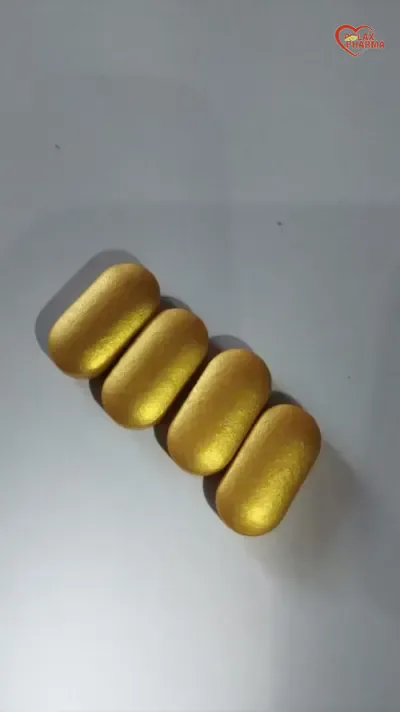
Metallic gold film coat
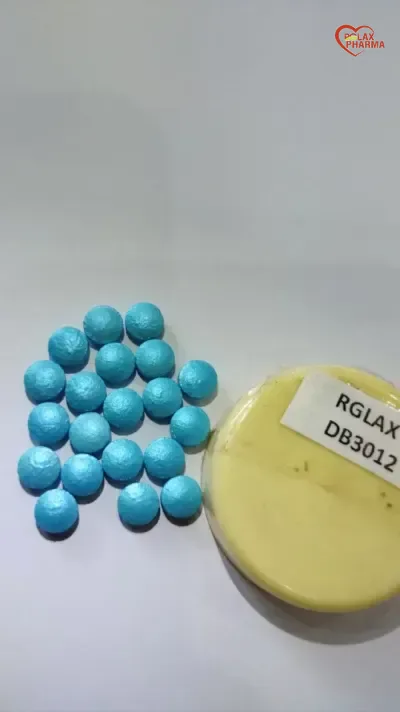
Metallic blue DB3012
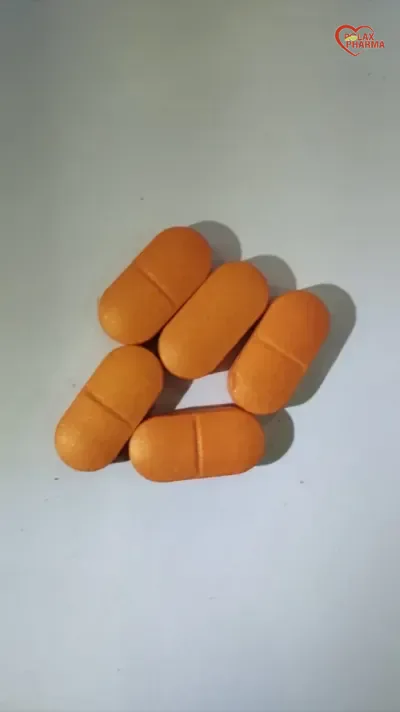
Aqueous colour film coat
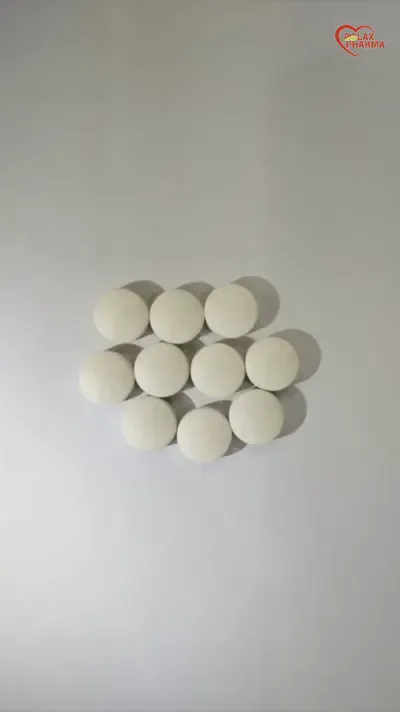
Extra white film coat