
Enteric, delayed release
Methacrylic acid copolymer
Also written as methacrylic base, acrylic enteric polymer.
Written by the Rglax Pharma technical team, who formulate and manufacture every grade named on this guide at our WHO-GMP works in Tahliwal, Una (drug manufacturing licence NNZ/23/238). Reviewed 3 September 2026. Licences and certificates.
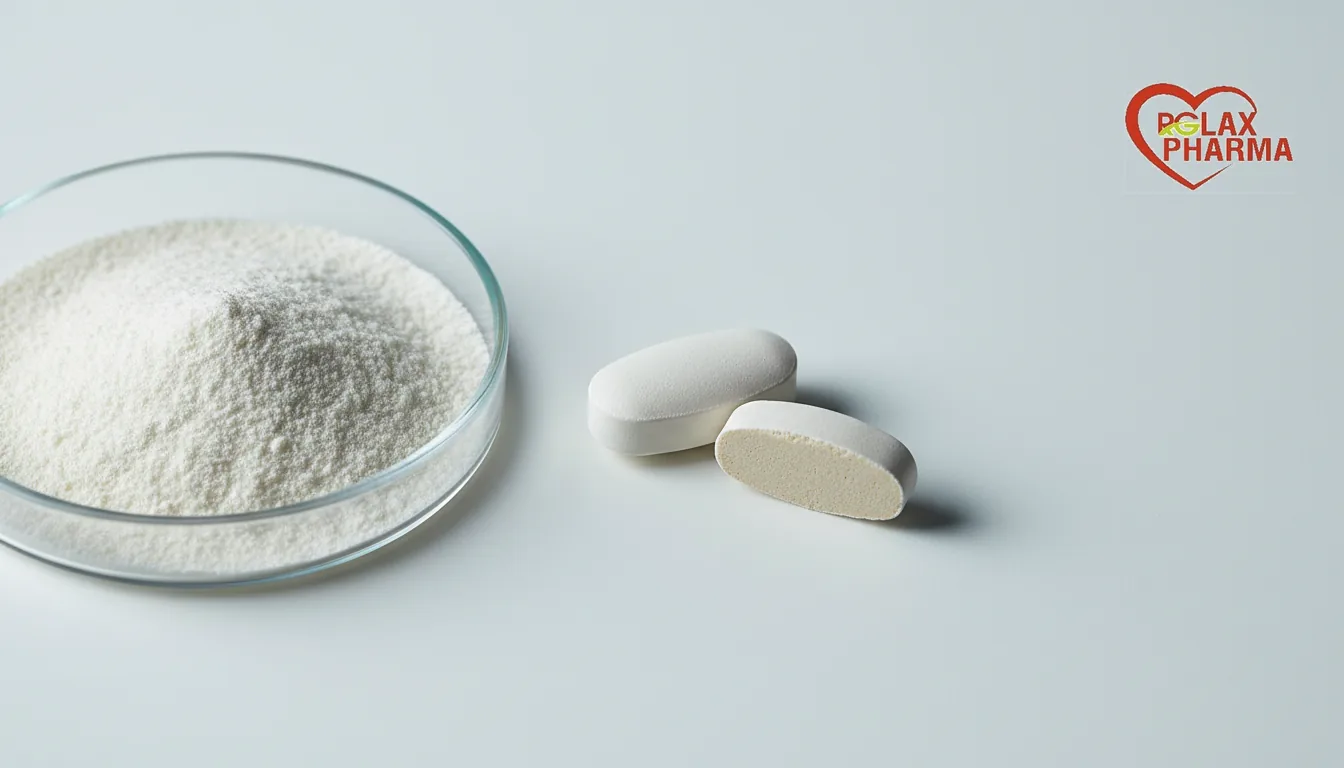
What it is
Methacrylic acid copolymers stay intact in the stomach and dissolve once pH rises in the intestine. They carry most of the enteric range because they can be applied from either a solvent or a water base, which lets the same polymer family serve cores that can and cannot tolerate an aqueous process.
What it does in the film
A methacrylic film is insoluble while the surrounding pH stays low and dissolves once it rises. That pH dependence is the whole mechanism. Nothing about the film is doing timed release, it simply waits for the environment to change.
When to choose it
When the filing does not name a different polymer, this is the default enteric route. It is also the only base we hold that can be applied from either water or solvent, so it is the one to pick when the core dictates the process rather than the dossier.
How it runs on the coater
Runs the cool enteric band, 30 to 32 degrees at the bed against a 45 to 50 degree inlet. A warmer bed softens the polymer as it lands and the film coalesces unevenly, which is invisible on the tablet and decisive in an acid stage.
- Role
- Enteric, delayed release
- Also called
- methacrylic base, acrylic enteric polymer
- Grades on this base
- 3
- Systems
- Enteric coating
- Made at
- Plot No. 30, Industrial Area Tahliwal, Himachal Pradesh, India
Grades built on methacrylic acid copolymer
What each grade on this base is for, and the actives it was formulated against. The process parameters are on each grade page.
Enteric coat, methacrylic base, non-aqueous
Solvent base methacrylic enteric film for the Pantoprazole group.
Methacrylic base enteric coating applied from a non-aqueous system, formulated for the Pantoprazole group and other dissolution critical enteric tablets. It runs best over a transparent seal coat such as SC-401, which protects the acid labile core.
- Base ·
- Non-aqueous (solvent)
- Finish ·
- Enteric film, gastro resistant
- Formulated against ·
- Pantoprazole group
Enteric coat, methacrylic base, aqueous
Water base methacrylic enteric film for Diclofenac and Serratiopeptidase.
Methacrylic base enteric coating for an aqueous process, formulated for Diclofenac and Serratiopeptidase enteric tablets. It takes solvent handling out of the enteric stage wherever the core allows a water base process.
- Base ·
- Aqueous
- Finish ·
- Enteric film, gastro resistant
- Formulated against ·
- Diclofenac, Serratiopeptidase
Enteric coat, methacrylic second bond
Second bond methacrylic enteric system for Mesalamine.
Methacrylic base enteric coating on a second bond, formulated for Mesalamine enteric tablets where release has to be held until a defined point in the intestinal tract.
- Base ·
- Non-aqueous (solvent)
- Finish ·
- Enteric film, delayed release
- Formulated against ·
- Mesalamine
Read next
- Aqueous vs non-aqueous tablet coatingWater or solvent. The choice sets your process time, your plant requirements and what cores you can coat.
- Why an enteric coat runs cooler than a film coatThe two bands in our parameter tables are not a preference. They come from what the polymer does at temperature, and running the wrong one costs gastro resistance.
- Enteric Coating SystemDelayed release polymers on methacrylic, phthalate and CAP bases for aqueous or organic processing.
- Coating defects, and what causes themThe faults a film shows when the polymer is run outside its band, traced back to cause.
- Coating glossaryBuild-up, bed temperature, coalescence and the rest of the vocabulary this guide uses.
References
- FDA Inactive Ingredient Database
Maximum potency per dosage unit for each excipient in an approved US product.
- European Pharmacopoeia, EDQM
Excipient monographs, including the identity and purity tests a European buyer specifies against.
- USP-NF excipient monographs
The National Formulary monographs that US and Canadian specifications are written to.
- IPEC excipient GMP guide
The good manufacturing practice framework an excipient supplier is audited against.
Process bands quoted on this page are the ones our grades were developed on at Tahliwal. Confirm them on your own coater; a monograph describes the polymer, not your pan.
The other polymers
- Enteric, delayed releaseCellulose acetate phthalateCAP, CAP base
- Enteric, delayed releasePhthalate base polymerHPMC phthalate, phthalate enteric polymer
- Immediate release film, seal, sugar filmHypromelloseHPMC, hydroxypropyl methylcellulose
- Moisture barrier, immediate releasePolyvinyl alcoholPVA
- Enteric and moisture barrier film, glazingShellaclac resin, pharmaceutical glaze, E904
Films built on this polymer
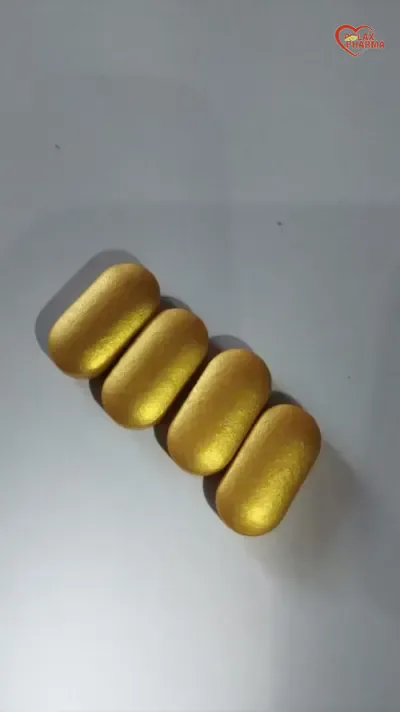
Metallic gold film coat
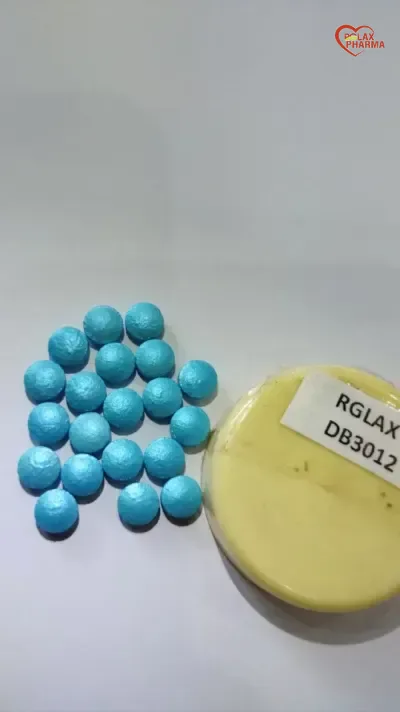
Metallic blue DB3012
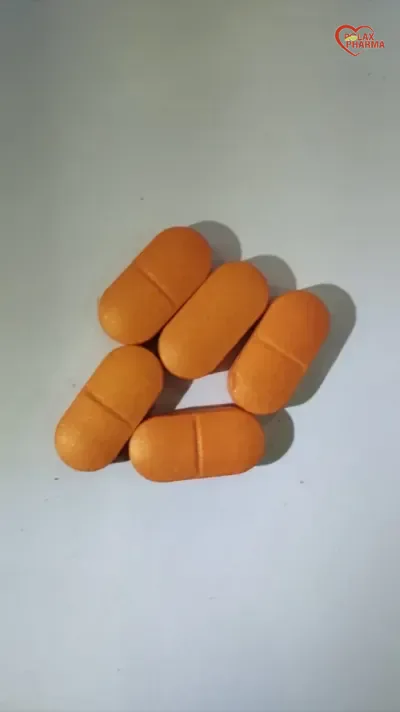
Aqueous colour film coat
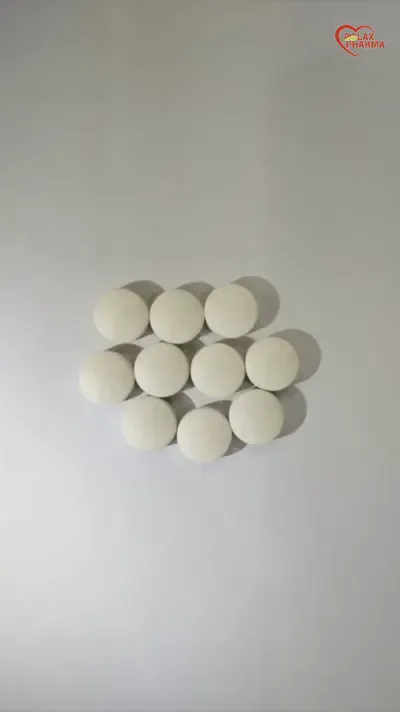
Extra white film coat