
Coating defect
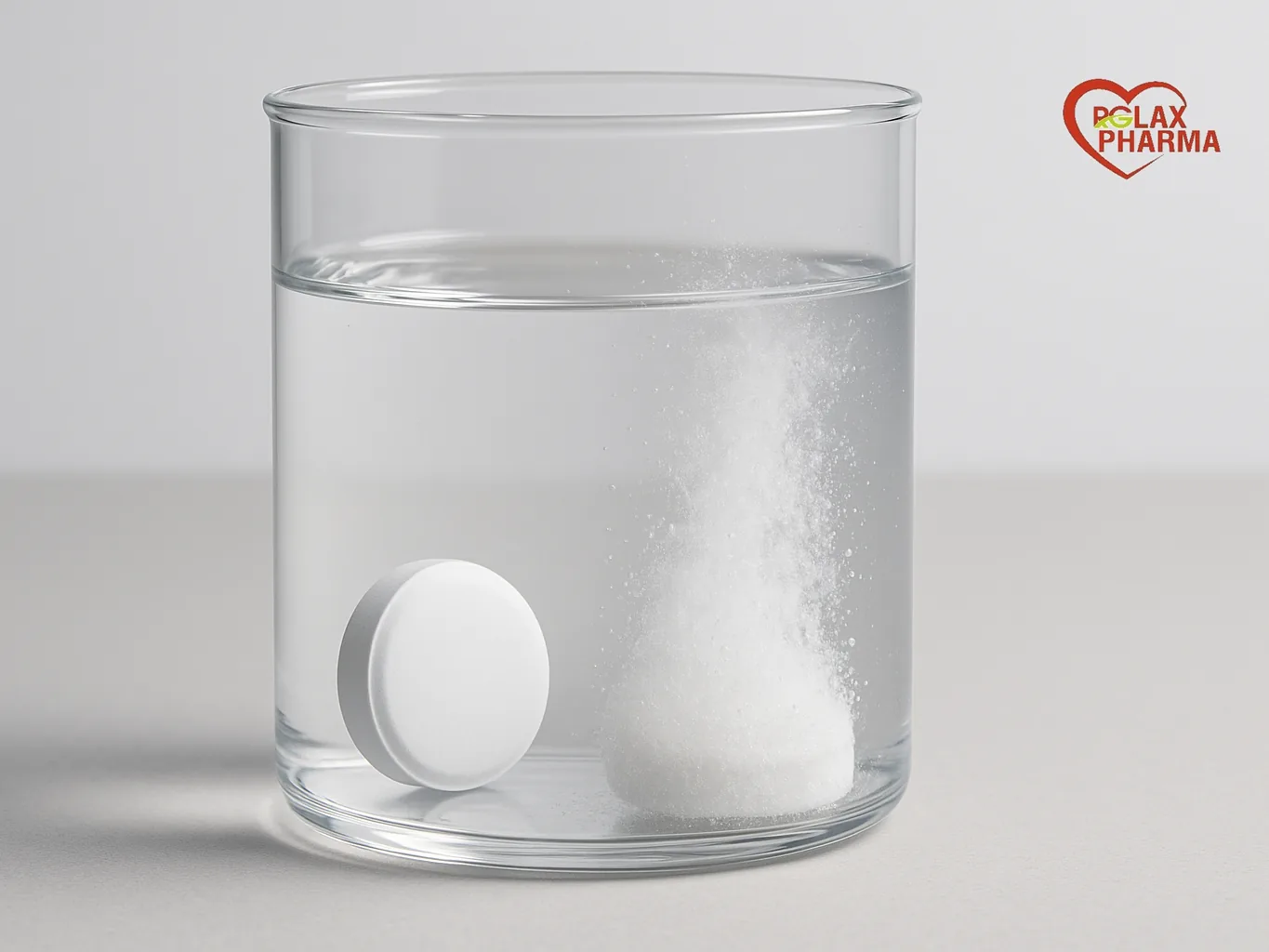
Dissolution failure after coating
An uncoated core that met specification falls outside it once coated, or disintegration time lengthens.
Written by the Rglax Pharma technical team, who formulate and manufacture every grade named on this guide at our WHO-GMP works in Tahliwal, Una (drug manufacturing licence NNZ/23/238). Reviewed 3 September 2026. Licences and certificates.
What usually sits behind it
- Film build-up beyond what the release profile allows
- A film chosen for appearance on a core where dissolution is the constraint
- A core that was already marginal before the coat was applied
Every cause above is a process parameter, not a property of the material. If you are seeing dissolution failure after coating on a grade of ours, send us the run conditions and a retained sample and we will work back from them — start at the contact page.
Grades formulated against it
Where dissolution failure after coating is the problem the grade was made for
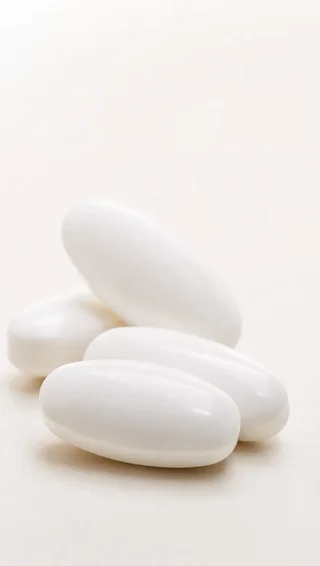
Extra white film coat for plain Amoxycillin
Solvent base extra white film for plain Amoxycillin and dissolution critical tablets.
Solvent base extra white film coat for plain Amoxycillin tablets and other products where dissolution has to be protected while the core is covered to a high opacity.
- Base ·
- Non-aqueous (solvent)
- Finish ·
- Extra white
- Formulated against ·
- Amoxycillin
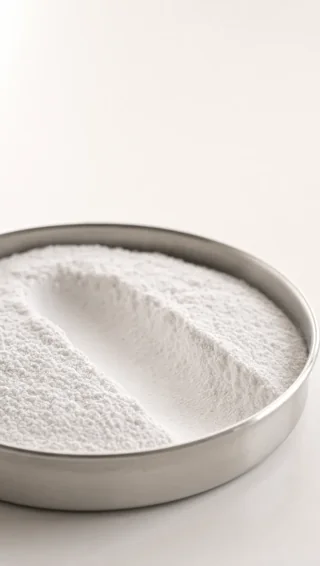
Dissolution enhancer blend
Corrects disintegration time and dissolution where the core falls short.
Dissolution enhancer blend used as DT and dissolution material. It is added where a core formulation does not meet the specified disintegration time or dissolution profile and reformulating the core is not practical.
- Base ·
- Dry blend
- Finish ·
- Excipient blend
Read next
- Coating weight gain calculatorA coat that will not release is usually a coat applied heavier than the method allows.
- Logo bridgingThe film lifts out of an embossed logo or break line and spans across it, so the debossing goes shallow or disappears.
- Picking and stickingTablets adhere to each other or to the pan, and fragments of film or core pull away, leaving pitted faces.
- Orange peel and roughnessA dimpled, matt surface rather than a smooth gloss, most visible under raking light.
- All 7 coating defectsThe whole list, with what each one looks like and the parameter behind it.